
Your Guide to Recovering from a Dental Crown
October 23, 2026
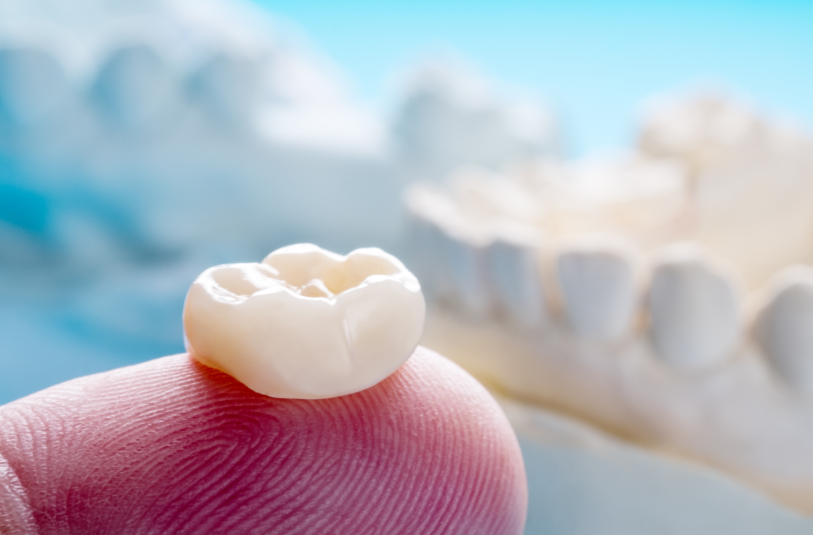
Getting a dental crown can restore a damaged tooth and help you chew comfortably again. But once your appointment is over, you might wonder whether soreness is normal, what you can eat, and how long it will take to feel like yourself again. The good news is that recovery is usually straightforward. With a little patience and the right aftercare, you can help your new crown settle in comfortably.
What Should You Expect After Getting a Dental Crown?
It’s normal to experience mild sensitivity or tenderness after crown placement. Your tooth may react to hot or cold foods and drinks, and the surrounding gum tissue might feel a little sore. These symptoms often improve within a few days, although temperature sensitivity can sometimes last longer.
You may also notice that your new crown feels slightly different from your natural tooth. Your tongue is particularly good at detecting small changes, so give yourself a little time to adjust.
If you received a temporary crown while waiting for your permanent restoration, you’ll need to take extra care to keep it in place. Temporary crowns aren’t as durable as permanent ones, and certain foods can loosen them.
How Long Does Dental Crown Recovery Take?
For many patients, the initial adjustment period lasts just a few days. Gum tenderness usually settles relatively quickly, while sensitivity may gradually improve over one or two weeks.
If your treatment involved additional procedures, such as a root canal, your recovery may take longer depending on the circumstances.
Once your permanent crown is placed, you should be able to return to your usual routine fairly quickly. However, if your bite feels uneven or the crown seems too high when you close your mouth, contact your dentist. A minor adjustment may be all that’s needed to make chewing comfortable again.
Tips for Managing Discomfort
A few simple habits can make recovery more comfortable:
- Choose soft foods. Yogurt, scrambled eggs, mashed potatoes, and oatmeal are gentle options while your tooth feels tender.
- Avoid extreme temperatures. If your tooth is sensitive, try lukewarm foods and drinks until the discomfort improves.
- Chew carefully. If you have a temporary crown, favor the opposite side of your mouth when possible.
- Use pain relief appropriately. If needed, ask your dentist whether an over-the-counter pain reliever is suitable for you, and follow the product instructions.
- Be gentle around your gums. Continue brushing with a soft-bristled toothbrush, taking care not to irritate tender tissue.
If you have a temporary crown, avoid sticky foods like caramel and chewing gum, as well as hard foods that could dislodge or damage it.
How Should You Care for Your New Crown?
Your crowned tooth still needs daily care. Brush twice a day with fluoride toothpaste and floss daily to remove plaque around the crown’s edges. If you have a temporary crown, gently slide the floss out rather than lifting it straight up, which could pull the restoration loose.
Once your permanent crown is in place, avoid chewing ice, hard candy, or other particularly hard objects that could chip or crack it. If you grind or clench your teeth, ask your dentist whether a night guard could help protect your restoration.
Regular dental checkups are also important because the natural tooth underneath a crown can still develop decay.
When Should You Call Your Dentist?
Mild sensitivity should gradually improve, not get worse. Contact your dentist if you experience persistent or worsening pain, swelling, a loose or lost crown, or discomfort when biting that doesn’t resolve. A crown that feels noticeably too high should also be checked.
Getting help promptly can prevent a small concern from becoming a bigger problem.
Enjoy a Comfortable, Healthy Smile
With good home care and attention to your dentist’s instructions, you can help your new crown feel comfortable and function well for years to come.
About the Practice
Souris Valley Dental in Minot, North Dakota, provides comprehensive dental care to help patients maintain healthy smiles. The practice offers dental crowns to restore damaged or weakened teeth, improve function, and support long-term oral health. Patients can speak with the dental team about crown treatment, recovery expectations, and personalized care recommendations.
Call us at (701) 852-5595 or schedule your appointment online
No Comments
No comments yet.
RSS feed for comments on this post.
Sorry, the comment form is closed at this time.