
TMJ/TMD Therapy – Minot, ND
Our Customized Therapy Stops Chronic Discomfort

When you wake up in the morning, does your jaw seem to hurt for no reason at all? Do you experience popping or clicking in your jaw joints? If these symptoms sound familiar, a comprehensive exam at Souris Valley Dental Group may be the best way to help you find relief. Our dentists are trained to diagnose disorders like TMD, which affects the temporomandibular joints that connect the jawbone to the skull. If you’re tired of chronic jaw discomfort, don’t hesitate to give our dental office a call today to set up an appointment to discuss options for TMJ or TMD therapy in Minot, ND!
Why Choose Souris Valley Dental Group for TMJ/TMD Therapy?
- Comprehensive Cone Beam Scanner Technology
- Personalized Treatments to Relieve Discomfort
- Conveniently Open Five Days a Week
What Is TMJ Disorder?

TMJ disorders affect the temporomandibular joints that attach your jaw to your skull as well as the muscles and connective tissues that allow them to make the precise movements necessary for proper chewing and speaking. When these joints are overworked due to dental misalignments, oral injuries, or chronic teeth grinding, they can cause a patient a great deal of discomfort and make it difficult for them to eat and communicate easily. Addressing this issue at our Minot office is often the best way to restore comfort and functionality to your jaw.
Symptoms of TMJ Disorder

TMJ disorders can lead to a range of unpleasant symptoms like:
- Jaw pain or tenderness
- Lockjaw
- Popping or clicking when moving the jaw
- Earaches or ringing in the ear
- Back or neck pain
- Discomfort when chewing
- Facial pain
- Difficulty moving the mouth
- Change in bite alignment.
Types of TMJ Treatment

When you first arrive, we’ll ask about any symptoms you may be experiencing. We’ll then capture X-rays and cone beam scans in order to capture the most detailed image of your jaw’s current condition. From there, we can confirm if TMD is present and build a treatment plan that addresses your condition at its source.
Occlusal Splint
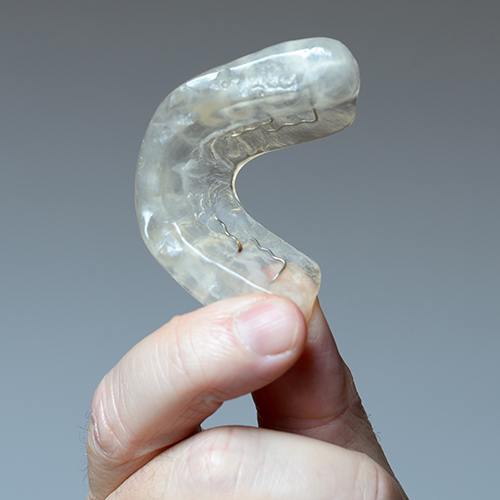
Another way to relieve stress on the jaw joints is through a customized oral appliance known as an occlusal splint. This device is worn while you sleep and effectively shifts the position of your jaw while also protecting it from grinding or clenching, two habits that can be precursors to TMD. With additional support for the joints and muscles that make up your jaw, you should start to feel relief relatively soon after treatment begins.
Equilibration/Occlusal Adjustment
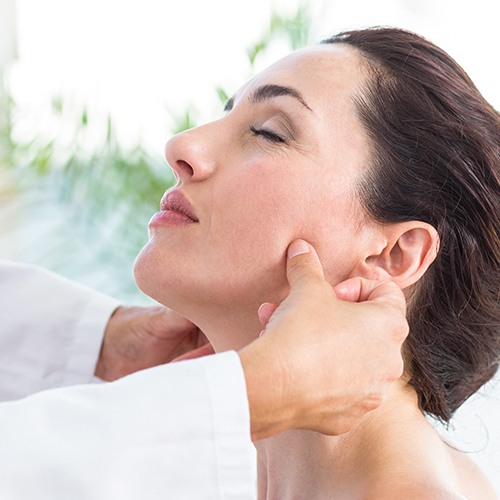
In some cases, disproportionate stress on the jaw joints can be a result of poorly placed or shaped dental restorations. To resolve this, we can make minor adjustments to these restorations so they keep your bite more even. Alternatively, we can make adjustments to your natural teeth themselves to deliver effective long-term relief. From there, we’ll provide additional tips for managing your jaw discomfort at home and how you can avoid episodes of discomfort.
Treatment with a TENS Machine

TENS is an acronym meaning “transcutaneous electrical nerve stimulation,” and TENS machines use small amounts of electricity to stimulate the muscles and nerves attached to the TMJ. This treatment can relieve discomfort and loosen up painfully tense jaw structures, and it also encourages the release of endorphins, which are the body’s natural “feel-good” chemicals.
BOTOX® for TMJ Treatment

BOTOX injections can sometimes be used to reduce jaw discomfort by temporarily immobilizing tense muscles or preventing teeth grinding. The results of this treatment can last for several months, and most patients can safely receive retreatments as necessary to preserve their comfort.
TMJ Treatment FAQs
Can TMD Be Cured Permanently?
Discomfort associated with TMJ disorder can sometimes go away on its own over time. However, if your symptoms are having a significant impact on your everyday life, you will want to visit a professional for treatment. Occlusal splints and occlusal adjustments/equilibration are both designed to permanently address jaw tension, jaw misalignment, and other underlying causes of TMD, therefore resulting in lasting relief.
Is TMJ Treatment Safe?
Once you are receiving TMJ treatment from a qualified professional, the process should be completely safe. However, it is often recommended to treat TMJ disorder with as minimally invasive and conservative methods as possible. Occlusal splints and equilibration/occlusal adjustments have both been proven to be overwhelmingly safe for addressing TMD/ During your consultation, we will examine your smile to determine the most effective, safest treatment option for you.
Can TMJ Disorder Be Treated Without Surgery?
Yes. In fact, The National Institute of Health highly recommend that people seek more conservative methods for TMJ disorder first before committing to surgical treatment. In many cases, less is more. Surgery involves making permanent changes to the jaws, joints, and nearby anatomy, so it is only ever suggested as a last resort. TMD can usually be addressed with less invasive measures, like occlusal splints and equilibration/occlusal adjustments, so it is best to consider these options first.
Does Occlusal Adjustment for TMJ Hurt?
No matter which changes need to be made to properly align your teeth, we will make sure that your treatment is as comfortable as possible. In most cases, occlusal adjustment is performed by precisely filing down the biting surfaces of the teeth or restorations that are protruding and throwing off the bite’s overall balance. This is done to alleviate stress on the jaw joints without negatively impacting your oral health. In some situations, occlusal adjustment can involve adding to existing dental structure. Depending on your unique situation, we may not need to administer a local anesthetic to numb your mouth beforehand.
How Long Does TMJ Treatment in Minot Take?
Some at-home jaw exercises can provide immediate, temporary relief, long-term relief typically requires treatment from a medical professional. The timeline depends on the specific treatments necessary, which can vary based on the cause and severity of your TMJ disorder. Occlusal splints are worn at night for a few weeks to several months before patients notice their symptoms being alleviated. Equilibration/occlusal adjustments can vary in how quickly they can provide relief, depending on the changes that are being made. However, once the bite is better aligned, most patients experience relief quickly afterward.